
The Allure of Casinos: Understanding the Draw
The glamorous environment of casinos captivates many individuals, combining striking visuals, enticing sounds, and an atmosphere charged with excitement. The immediate sensory stimulation upon entering a casino plays a significant role in attracting patrons. Bright lights, vibrant colors, and the sounds of coins clinking or slot machines ringing create a euphoric experience that engages visitors emotionally, especially when they can enjoy online pokies and various table games that enhance their fun. This carefully curated environment is designed to elicit positive feelings, drawing players deeper into the gaming experience.
Furthermore, casinos often employ a variety of psychological techniques to keep players engaged. For instance, the absence of clocks and natural light creates a perception of timelessness, encouraging individuals to lose track of time while gambling. This design tactic can result in players spending longer periods in the casino than they initially intended, ultimately increasing their likelihood to gamble more. This manipulation of the environment is not accidental but rather a calculated strategy to maximize player expenditure.
The thrill of risk significantly contributes to the allure of gambling. Players often relish the excitement associated with the potential of winning big, which can lead to the release of dopamine—a neurotransmitter that plays a critical role in reward-motivated behavior. This physiological response makes gambling not just an enjoyable pastime but an addictive activity for some. The anticipation of a win can overshadow the losses, leading to a cycle of repeated visits fueled by the hope of hitting the jackpot.
The Role of Cognitive Biases in Gambling
Cognitive biases play a central role in how gamblers perceive their chances of winning and losing. One common bias is the illusion of control, where players believe they can influence the outcome of a game, even in games of pure chance like slot machines or roulette. This false sense of control can lead to overconfidence and increased gambling behavior, as players may engage more frequently under the belief that they have the ability to sway results in their favor.
An additional cognitive bias, known as the gambler’s fallacy, can significantly impact gambling decisions. This fallacy leads individuals to think that past outcomes affect future results; for example, after a string of losses, a player might believe they are “due” for a win. Such misconceptions can lead to irrational betting behaviors, resulting in greater financial risks as players chase perceived favorable odds that do not exist. These biases highlight how the human mind can be manipulated, often to the detriment of the player’s financial well-being.

Moreover, the framing of odds can influence how players perceive risk and make decisions. For instance, a casino marketing campaign that presents winning probabilities favorably can induce players to gamble more. Understanding these biases can provide insight into the psychological underpinnings of gambling behavior, indicating that players are not always rational actors. As they navigate their gambling experiences, these cognitive distortions contribute to a complex interplay between hope, risk, and financial decision-making.
The Impact of Emotions on Gambling Behavior
Emotions significantly influence gambling behavior, often acting as the driving force behind decisions made in the casino environment. Whether it’s the thrill of a potential win or the despair of loss, emotions can sway players to make impulsive and sometimes regrettable choices. For instance, someone feeling excited may take bigger risks, convinced that they are on a winning streak, while those feeling down may gamble to escape their negative emotions, hoping that luck will remedy their situation.
The social dynamics of gambling also play a role in emotional influence. Players often gather in groups, and the collective excitement can amplify individual emotions, fostering an environment where participants are more likely to engage in risky behavior. Celebrations of wins and shared experiences can create a communal bond that enhances emotional highs, but this can also lead to collective losses and emotional lows when the tide turns. Understanding this social dynamic sheds light on the importance of peer influence in gambling decisions.
Additionally, the concept of “losses chasing” poses a significant risk for players. After experiencing losses, individuals may feel compelled to continue gambling in an attempt to recover their lost money. This emotional response can lead to a downward spiral, where the desire to break even overrides rational decision-making. Recognizing the emotional triggers that lead to such behaviors can serve as a crucial point for players aiming to establish healthier gambling habits, ultimately promoting a more responsible approach to gaming.
The Role of Environment and Design in Gambling Psychology
The physical environment of a casino is meticulously designed to enhance the gambling experience, incorporating various elements that appeal to the senses. From the layout of the gaming floor to the placement of slot machines and table games, each detail is intentionally crafted to promote longer stays and increased spending. For instance, placing high-stakes tables near the entrance can draw in more casual gamblers seeking excitement, while the layout encourages players to explore the full range of offerings available.
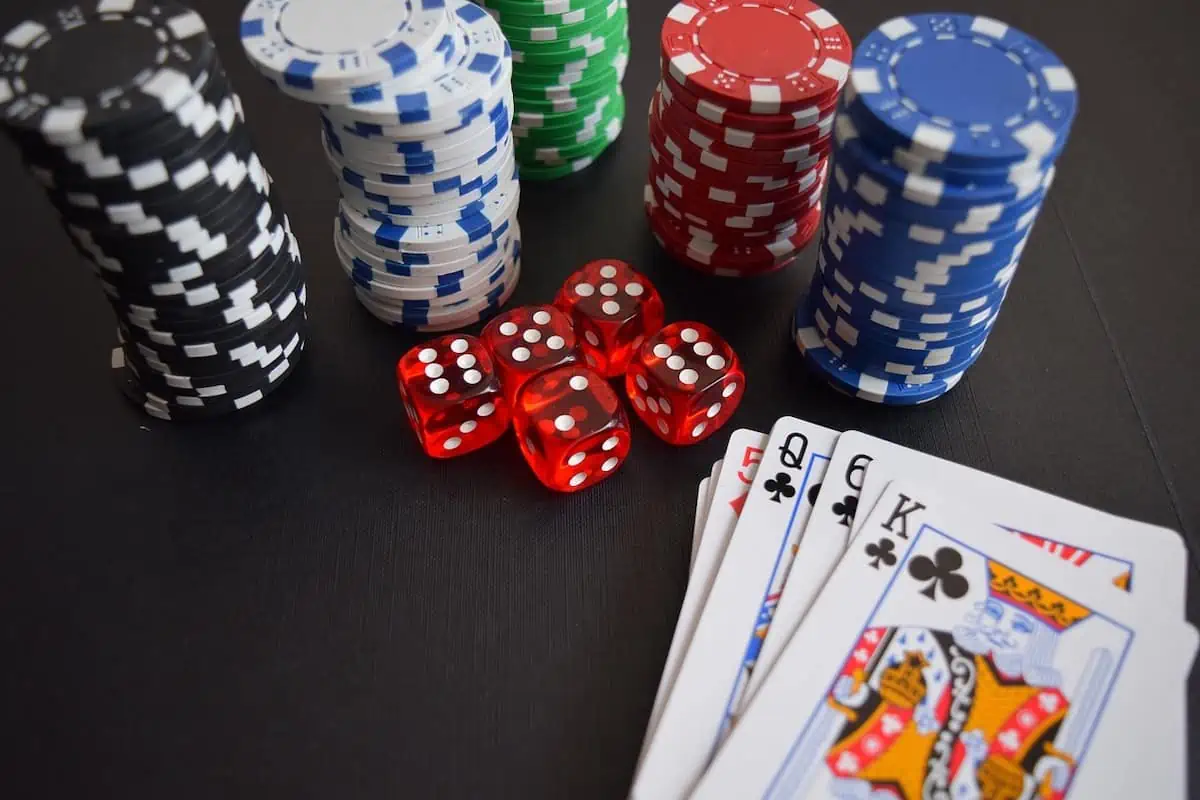
Moreover, the seamless flow of movement is pivotal in maintaining the engagement of players. Casinos are often structured without clear exits, enhancing feelings of entrapment and encouraging people to stay longer. Furthermore, the aroma, music, and even the temperature within the casino are carefully controlled to evoke comfort and excitement, creating an environment where players can easily forget their financial boundaries. These design choices reflect the underlying psychological principles that casinos leverage to maximize their profits.
This combination of sensory stimulation and strategic physical design extends to the use of rewards and loyalty programs aimed at retaining players. By offering complimentary drinks, meals, or accommodations, casinos create a sense of value that encourages gamblers to remain on the premises. This reinforcement impacts how individuals perceive the overall gambling experience, fostering a psychological association between the casino environment and positive outcomes. Such tactics ensure that players return, often with the hope of replicating their prior successes.
Exploring Further: Resources for Responsible Gambling
For those interested in the intricacies of gambling psychology, understanding the impact of these psychological factors on behavior is essential. Many resources are available that delve into responsible gambling practices and provide insights into setting limits. Websites dedicated to educating players about the psychological aspects of gambling offer valuable guidance on recognizing signs of problem gambling and strategies for maintaining control while enjoying the gaming experience.
Additionally, organizations focused on responsible gambling often provide support for individuals struggling with gambling-related issues. These resources can assist players in understanding the importance of moderation and allow them to develop healthier gambling habits. By promoting awareness of the psychological traps associated with gambling, these initiatives aim to foster a safer gaming environment for everyone.
Ultimately, understanding the psychology behind gambling in casinos not only enhances the overall gaming experience but also encourages responsible engagement with gambling activities. As individuals navigate their choices and experiences within this captivating world, the insights gained can empower them to make informed decisions that prioritize enjoyment and financial well-being. By exploring these resources, players can enjoy the thrill of gambling while remaining aware of the psychological factors at play, enabling them to navigate the landscape more effectively.